Uses of soil-cement in construction
From roads to an entire hospital: the history and applications of soil-cement in Brazil.
Soil-cement is not only for building houses: it shows up in many parts of construction. Many roads made with it were built decades ago and are still in use, in perfect condition.
A history that starts in 1940
Some milestones in the use of soil-cement in Brazil:
- 1940: the first road paving experiment in the country, on a small maneuvering yard at Santos Dumont Airport, in Rio de Janeiro.
- 1941: an experimental stretch on the federal road between Areias (SP) and Caxambu (MG); later, on the main trunk road in Alcântara and on the João Pessoa – Port of Cabedelo stretch, in Paraíba.
- 1942 and 1943: an airstrip in Petrolina (PE). In 1944, in Bom Jesus da Lapa (BA).
- 1945: the pump house of Santarém airport, with 42 m².
- 1948: Fazenda Inglesa, in Vale Florido, in Petrópolis (RJ).
- 1949 and 1950: the Adriano Jorge Hospital, in Manaus, with 10,800 m² and 432 beds, still in operation today, with all walls made of soil-cement.
- 1958: a housing complex in Coelho Neto (RJ), which later got an extra floor.
According to ABCP, Brazil has the second largest area paved with soil-cement in the world, with more than 110 million m², behind only the United States.
Applications of soil-cement in construction
- Buildings: foundations (grade beams, strip footings or solid walls resting directly on the soil), masonry with bricks and blocks or in solid walls, floors and subfloors.
- Landscaping and paving: floors and subfloors for walkways and sidewalks, yards and courtyards.
- Slope retention: retaining walls with bagged soil-cement.
- Stream retention: lining of slopes and channels with bagged soil-cement or solid walls.
- Small dams: dikes with bagged soil-cement.
- Bridge abutments, small bridges and culvert mouths: retaining walls with bagged soil-cement.
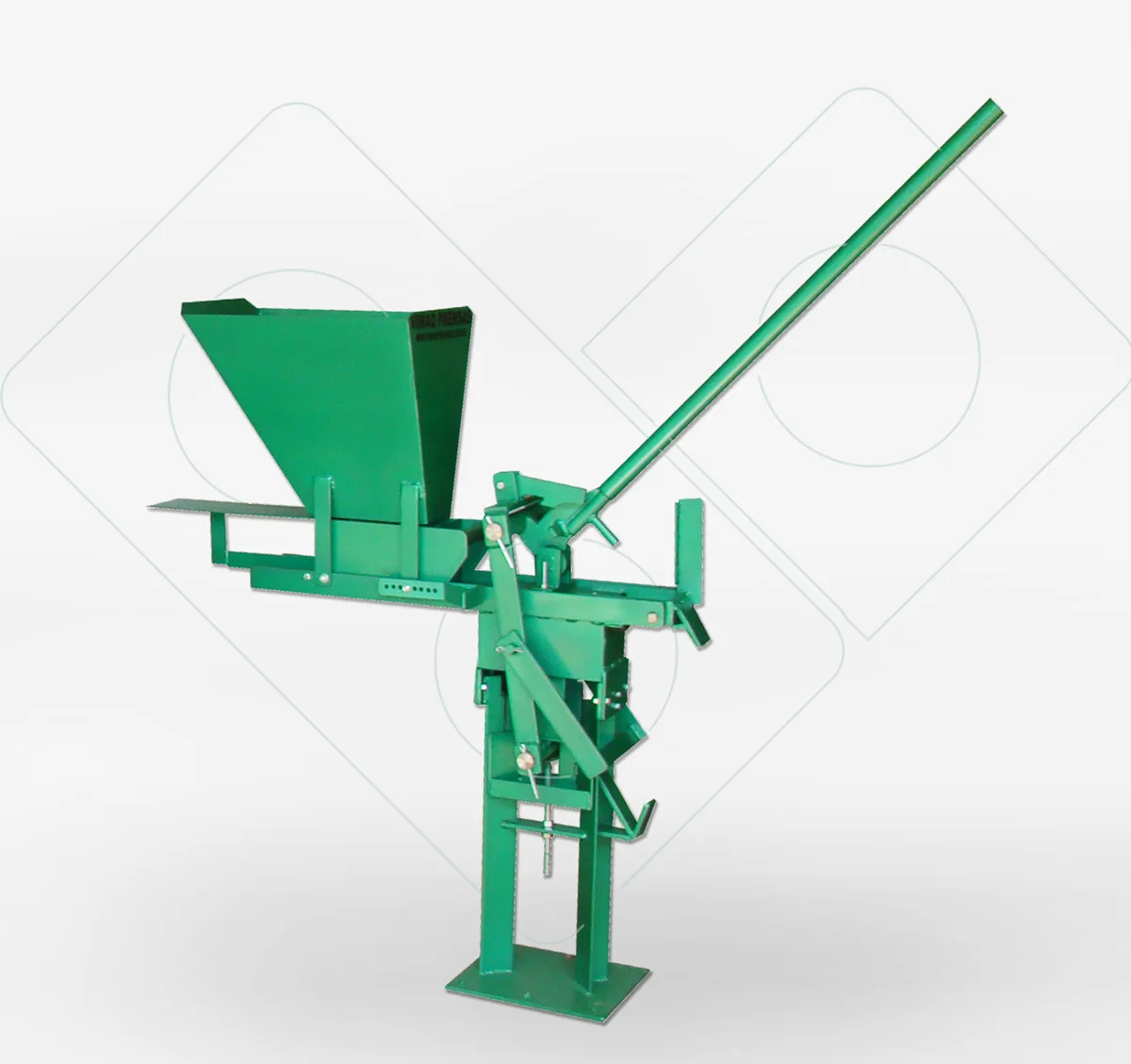
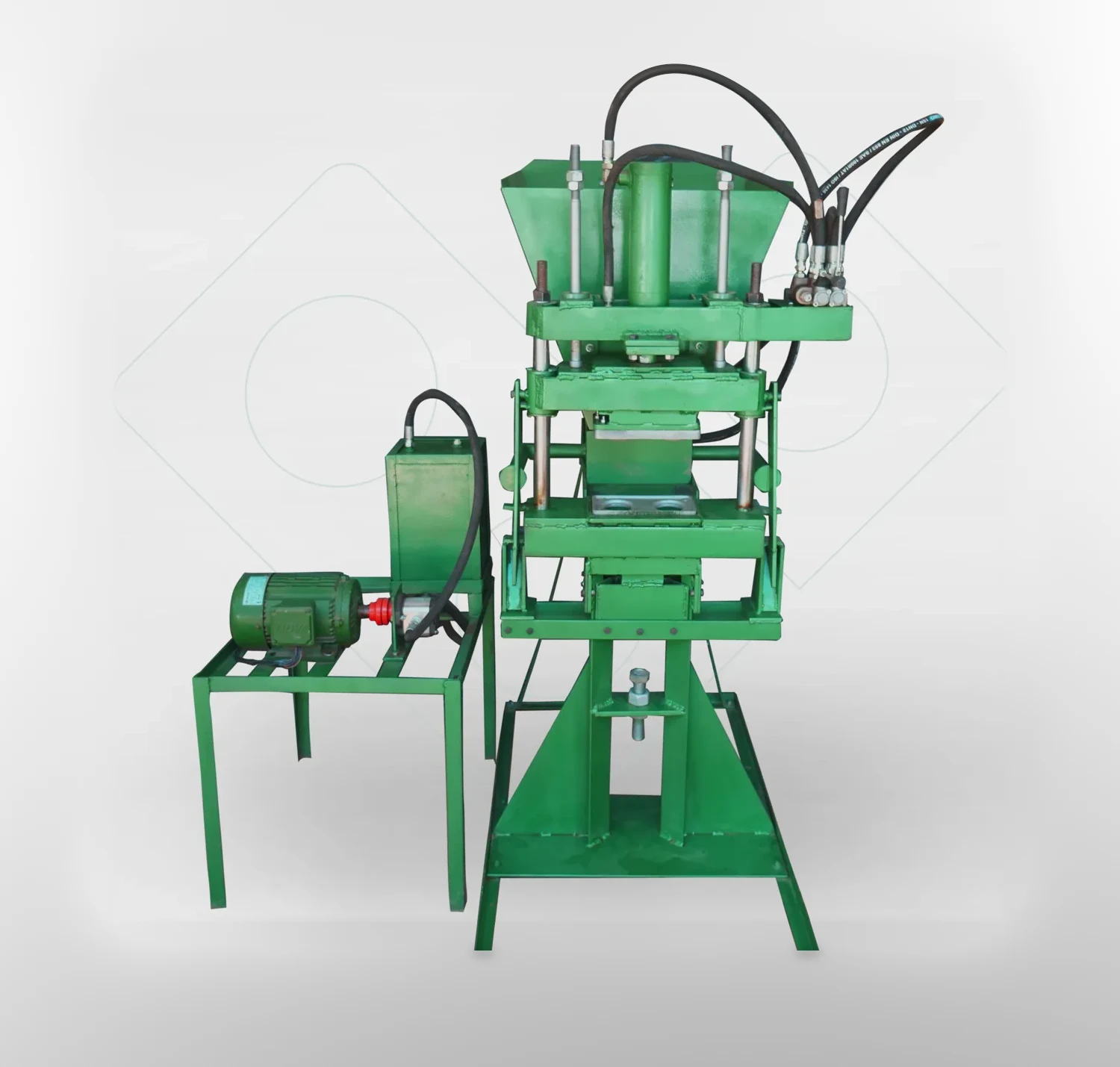
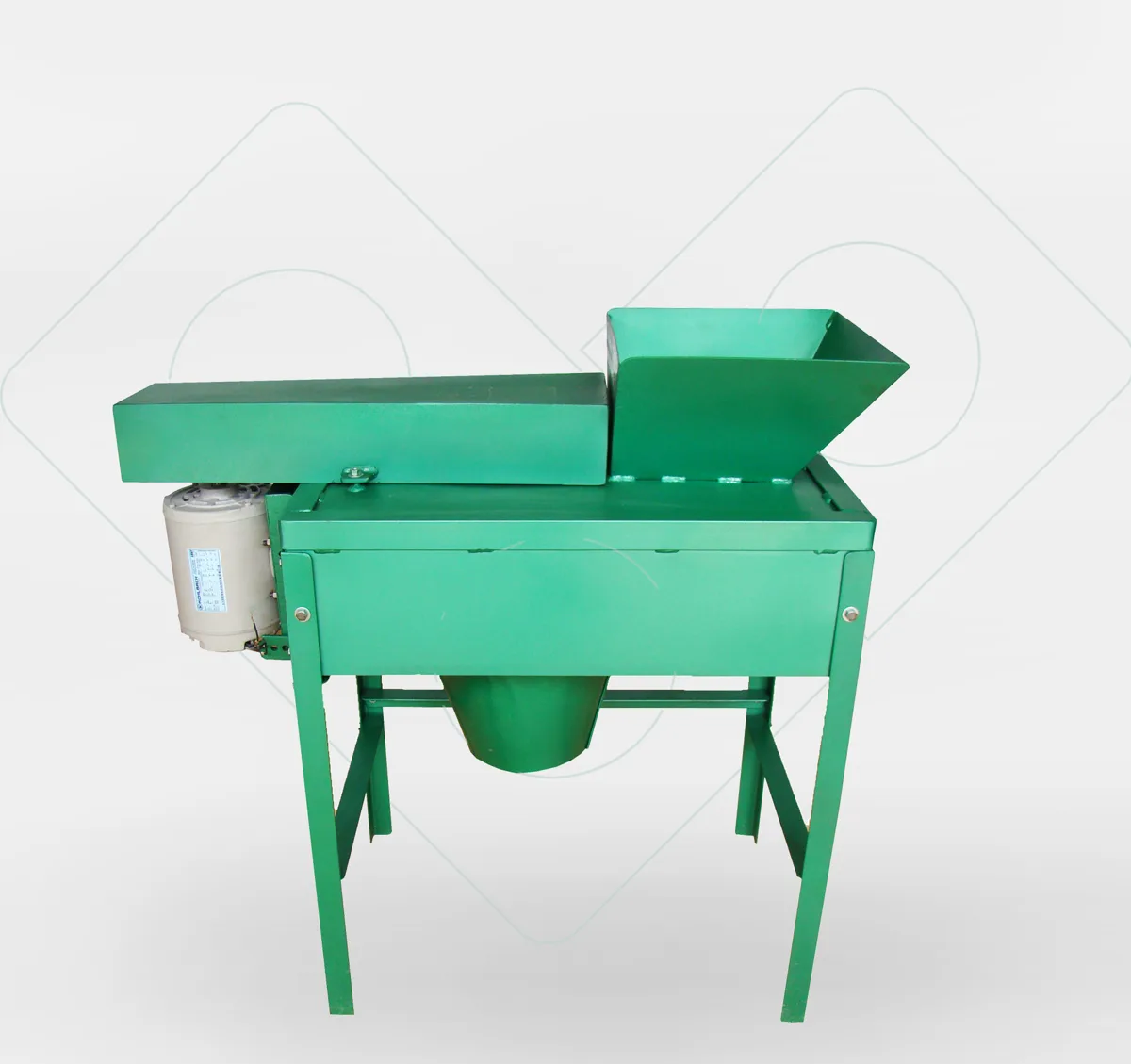
Whatever you need, there is a Vimaq press for your project.